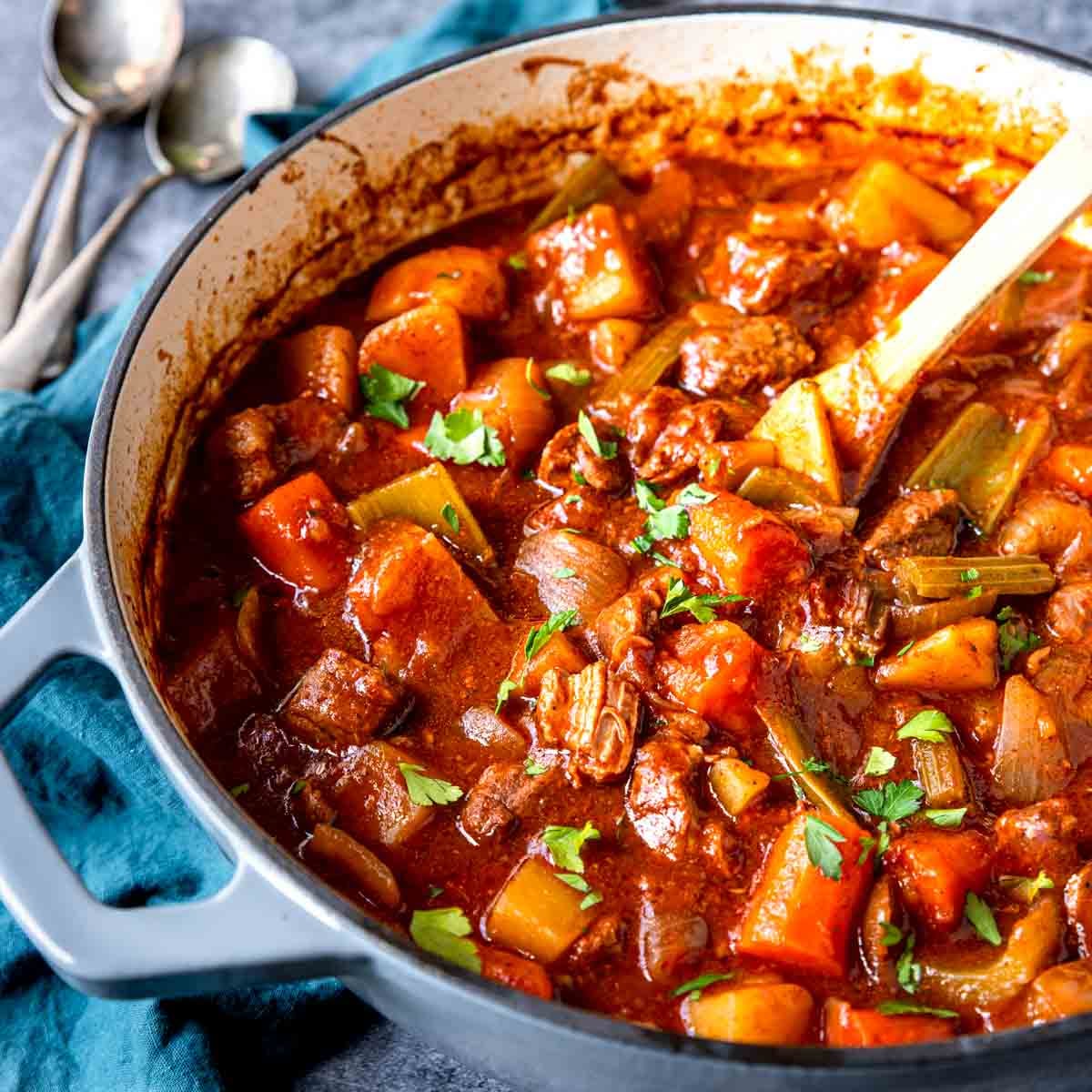
There are few dishes that evoke such profound feelings of warmth, comfort, and home quite like a rich, simmering pot of dutch oven beef stew. The mere thought conjures images of melt-in-your-mouth beef, tender vegetables, and a luscious, savory gravy that coats every spoonful. It’s the kind of meal that wraps you in a culinary hug, making even the chilliest evenings feel cozy and bright. Far from being an intimidating culinary endeavor, crafting an exquisite Dutch oven beef stew is an accessible pleasure, especially when you understand its core ingredients and the smart substitutions that can tailor it perfectly to your pantry, palate, or dietary needs. It’s a dish that not only satisfies the hunger but also fills your home with an irresistible aroma that promises a memorable dining experience.
The magic of this stew lies in the long, gentle cooking process within a heavy, enameled Dutch oven. This vessel's superior heat retention and distribution are key to transforming humble ingredients into something truly extraordinary, breaking down tougher cuts of meat into buttery-soft perfection, much like in a classic Easy Dutch Oven Beef Stew: Melt-in-Your-Mouth Comfort Food. It's a testament to slow cooking, allowing flavors to meld and deepen over hours, culminating in a dish that consistently delights family and friends.
The Heart of the Stew: Essential Ingredients Explored
While the beauty of a dutch oven beef stew lies in its forgiving nature, understanding the role of each fundamental ingredient is crucial for building a robust flavor profile. These components are the backbone of any great stew, working in harmony to create that signature rich and savory experience.
- Quality Olive Oil: This isn't just for greasing the pan; it's the initial flavor carrier. A good quality extra virgin olive oil provides a foundation for browning the beef and sautéing the aromatics. It facilitates the Maillard reaction, developing deep, complex flavors right from the start.
- Beef Cubes (Chuck Roast or Stewing Beef): The undisputed star. For stews, boneless beef chuck roast, cut into 1 to 1 ½ inch chunks, is ideal. Its marbling and connective tissues break down beautifully during long, slow cooking, resulting in that coveted melt-in-your-mouth tenderness. Stewing beef, often pre-cut, is another convenient and effective choice. The key is using cuts that benefit from extended simmering, not lean, quick-cooking varieties.
- Aromatic Vegetables (Onion, Carrots, Garlic): These form the classic mirepoix, the aromatic foundation of countless savory dishes.
- Onion: Provides a sweet, pungent base that mellows and deepens with cooking.
- Carrots: Add natural sweetness, color, and earthy flavor. Whether you use peeled and chopped regular carrots or convenient baby carrots, their contribution is vital.
- Garlic: Infuses the stew with its unmistakable pungent warmth, essential for complexity.
- Dry Red Wine: A dry red like Cabernet Sauvignon, Pinot Noir, or Merlot adds significant depth, acidity, and complexity to the stew. It’s used to deglaze the pot, lifting all those caramelized, flavorful bits (fond) from the bottom, which then dissolve into the liquid, enriching the entire dish.
- Beef Stock or Broth: The primary liquid component, providing a rich, savory base. Opt for a good quality beef stock or broth, as its flavor will permeate the entire stew.
- Potatoes: Essential for heartiness and texture. Waxy potatoes, such as Yukon Gold, are favored for their ability to hold their shape well, offering distinct bites. Russet potatoes, on the other hand, will break down more, contributing to a slightly thicker, more rustic texture. Small red potatoes can also be halved and left unpeeled for an even more rustic touch.
- Fresh Herbs (Thyme, Parsley): Fresh herbs elevate the flavor profile, adding bright, aromatic notes that dried herbs can’t quite replicate. Thyme offers an earthy, slightly lemon-peppery essence, while fresh parsley adds a clean, herbaceous finish.
- Frozen Peas: Added towards the end, frozen peas provide a pop of vibrant color, a hint of sweetness, and a fresh textural contrast without needing to be thawed beforehand.
- Butter and Flour (Roux): The classic thickening agent. Created by cooking butter and flour together, a roux gives the stew its luxurious, velvety texture, ensuring that the gravy clings beautifully to the meat and vegetables. For a truly Perfectly Tender Dutch Oven Beef Stew: Your Easy Recipe Guide, this step is key.
Smart Swaps: Mastering Substitutions for Every Palate and Pantry
One of the most liberating aspects of cooking a dutch oven beef stew is its adaptability. Life happens: you might be out of an ingredient, catering to dietary restrictions, or simply wanting to experiment with new flavors. Knowing how to intelligently substitute can transform a recipe from a rigid instruction set into a flexible culinary canvas.
- Wine Alternatives: If red wine isn't an option due to preference or dietary restrictions, you have several excellent choices:
- Extra Beef Broth: This is the simplest swap, maintaining the savory base.
- Unsweetened Grape Juice: Offers a touch of fruitiness and acidity, mimicking some of the wine's depth.
- A Splash of Balsamic Vinegar: For a tangy kick that replicates the acidic brightness of wine, use sparingly.
- Non-alcoholic Red Wine: An obvious, direct substitute if available.
- Vegetable Variations: Expand beyond the classic triad for added depth and nutrition:
- Parsnips or Turnips: Offer a slightly bitter, earthy sweetness that pairs wonderfully with beef.
- Celery: Often included in a traditional mirepoix, celery adds a subtle peppery, slightly salty flavor.
- Mushrooms: Sautéed cremini or button mushrooms add umami and a meaty texture.
- Sweet Potatoes: A fantastic alternative to regular potatoes, providing a sweeter profile and a vibrant color. They tend to soften more, so consider cutting them into larger chunks.
- Green Beans: Can be swapped for or added alongside peas for variety.
- Protein Alternatives: While beef chuck is classic, other proteins can shine:
- Beef Brisket: Another cut that excels with slow cooking, offering incredible tenderness.
- Lamb Stew Meat: For a distinctly different, robust flavor profile that’s equally comforting. Be aware that lamb can have a stronger, gamey flavor, which some adore.
- Leftover Roast Beef: A brilliant hack for quick assembly. Add pre-cooked beef towards the end of the simmering process, just long enough to heat through and absorb flavors, to prevent it from becoming tough.
- Gluten-Free Thickening: For those avoiding gluten, achieving that velvety texture is still easy:
- Gluten-Free Flour Blend: Use in place of regular flour for the roux, typically in the same proportions.
- Cornstarch Slurry: Mix equal parts cornstarch and cold water (e.g., 2 tablespoons cornstarch + 2 tablespoons water) and stir into the simmering stew a few minutes before serving. It thickens quickly and provides a clear, glossy finish.
- Herb Swaps & Additions: Don't be limited to thyme and parsley:
- Rosemary: Adds a strong, piney, aromatic note that pairs beautifully with beef. Use sparingly as it can be potent.
- Oregano: Provides a robust, slightly peppery, and earthy flavor.
- Bay Leaves: Adding 1-2 bay leaves to the simmering liquid infuses a subtle, underlying herbaceousness that enhances the overall savory profile. Remember to remove them before serving.
- Dried Herbs: If fresh herbs aren't available, dried herbs work well. As a general rule, use about one-third the amount of dried herbs compared to fresh, as their flavor is more concentrated.
Crafting Perfection: A Step-by-Step Guide to Your Dutch Oven Masterpiece
While mastering ingredients and substitutions empowers you with flexibility, following a methodical process ensures your dutch oven beef stew achieves its full potential. The beauty of the Dutch oven is its ability to handle every stage, from searing to simmering, all in one pot.
- Brown the Beef: This is arguably the most critical step for flavor development. Heat olive oil in your Dutch oven over medium-high heat. Brown the beef cubes in small batches, ensuring not to overcrowd the pot. Crowding steams the meat instead of searing it, preventing that delicious crust from forming. A deep, golden-brown crust means more complex, savory notes in your final stew. Remove browned beef and set aside.
- Sauté the Veggies: In the same pot, using the rendered beef fat and a little more olive oil if needed, sauté the onions and carrots until they begin to soften. This mellows their raw edges and starts building the aromatic base. Stir in the garlic for the last minute or so until fragrant, being careful not to burn it.
- Deglaze the Pot: Pour in your red wine (or chosen substitute). Use a wooden spoon or spatula to scrape up all the browned bits (the fond) stuck to the bottom of the pot. These bits are packed with flavor and will dissolve into the liquid, enriching the stew.
- Simmer and Tenderize: Add the beef stock, browned beef, potatoes, and fresh (or dried) herbs to the pot. Bring the mixture to a gentle simmer, then reduce the heat to low, cover the Dutch oven, and let it cook slowly for 2-3 hours, or until the beef is fork-tender. This long, slow cooking is where the magic truly happens, transforming tough cuts into succulent morsels.
- Thicken and Finish: Towards the end of cooking, if desired, create a roux by melting butter and whisking in flour. Cook for a minute or two, then whisk this mixture into the simmering stew until it reaches your desired thickness. Stir in the frozen peas (and any other quick-cooking vegetables like green beans) during the last 10-15 minutes of cooking, allowing them to heat through and retain their vibrant color and texture. Finish with a sprinkle of fresh parsley for brightness.
Serving this hearty stew with crusty bread for soaking up every drop of gravy, or over a bed of creamy mashed potatoes, completes the ultimate comfort food experience. Remember, the right tools—a sturdy Dutch oven, a sharp knife, and a reliable wooden spoon—make all the difference in this rewarding culinary journey.
There’s an undeniable satisfaction in presenting a steaming pot of homemade dutch oven beef stew to your loved ones. It’s more than just a meal; it’s an act of comfort, a tradition, and a testament to the simple joy of good food. By understanding the essential ingredients and embracing the versatility of smart substitutions, you’re not just following a recipe – you're mastering a classic, tailoring it to your unique tastes and circumstances. Whether you stick to the traditional path or venture into creative variations, the outcome is always a deeply flavorful, incredibly tender, and profoundly satisfying dish that brings warmth to both body and soul. So, grab your Dutch oven, get cooking, and savor the rich rewards of this timeless culinary treasure.
