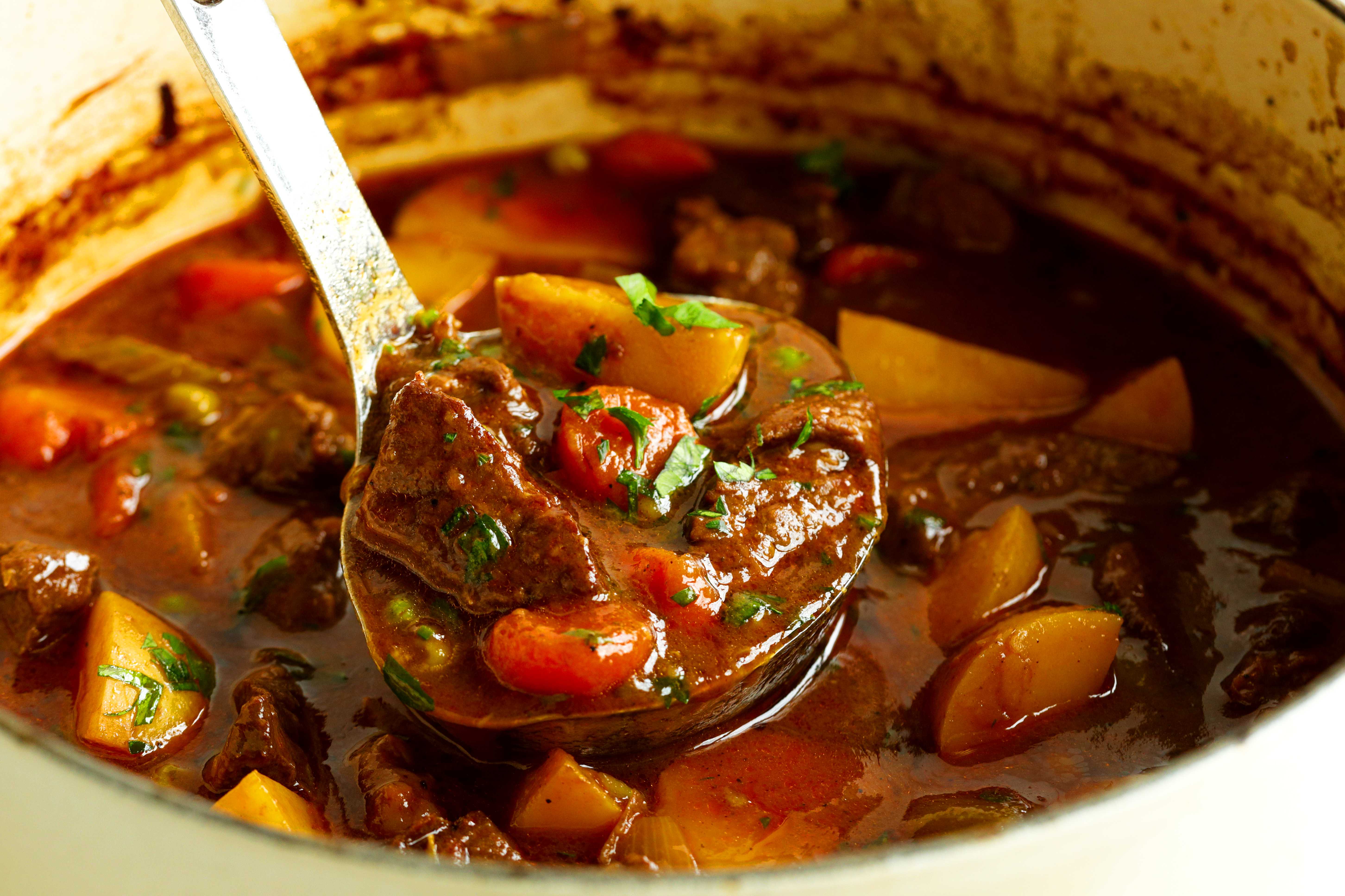
Imagine a culinary masterpiece that promises warmth, satisfaction, and a taste that transports you straight to the heart of home. That’s precisely what you get with a perfectly executed Dutch oven beef stew. This isn't just any stew; it's a symphony of rich flavors, melt-in-your-mouth tender beef, and wholesome, hearty vegetables, all brought together with surprising ease thanks to the magic of a Dutch oven. It’s the quintessential comfort food, ideal for cozy evenings, family gatherings, or simply when you crave a deeply satisfying meal that nourishes both body and soul.
There's an undeniable allure to a bubbling pot of stew simmering gently, filling your home with an aroma that promises pure deliciousness. The beauty of crafting this dish in a Dutch oven lies in its ability to transform humble ingredients into something truly extraordinary. Tough cuts of beef surrender to a long, gentle cook, emerging buttery-soft and full of flavor. If you're ready to create an unforgettable meal that will have everyone asking for seconds, read on to discover the secrets to the ultimate Dutch oven beef stew.
Why a Dutch Oven is Your Secret Weapon for Perfect Beef Stew
While many pots can make a stew, a Dutch oven doesn't just make it – it elevates it to an art form. This robust, heavy-bottomed pot, typically made from cast iron (often enameled), is specifically designed for the kind of slow, even cooking that beef stew demands. Here's why it's indispensable for achieving that coveted "melt-in-your-mouth" texture:
- Even Heat Distribution: Cast iron excels at retaining and distributing heat uniformly across the entire pot, from bottom to sides. This prevents hot spots that can scorch ingredients and ensures your stew simmers gently and consistently, tenderizing the beef without drying it out.
- Superior Moisture Retention: The heavy, tight-fitting lid of a Dutch oven is crucial. It traps steam and moisture within the pot, creating a self-basting environment. This means less evaporation, more succulent meat, and a richer, more concentrated broth. It’s this sealed environment that truly breaks down connective tissues in beef chuck, rendering it incredibly tender.
- Versatility from Stovetop to Oven: A major advantage is the Dutch oven's ability to seamlessly transition from stovetop searing to long, slow oven braising. You can brown your beef and sauté aromatics directly on the hob, then transfer the entire pot to the oven for hours of unattended, gentle cooking. This versatility simplifies the process and allows for deeper flavor development.
- Durability and Retention of Flavors: Dutch ovens are built to last a lifetime, becoming seasoned with every use. Over time, they contribute to the depth of flavor in your cooking, absorbing and enhancing the notes of previous meals.
By harnessing the power of a Dutch oven, you're not just cooking; you're creating a warm hug in a bowl, a true testament to the magic of slow cooking.
Essential Ingredients for an Unforgettable Dutch Oven Beef Stew
The foundation of any great stew lies in its ingredients. While the cooking method is key, selecting quality components ensures a truly spectacular outcome. Here's a breakdown of what you'll need and why each element plays a vital role in your traditional beef stew:
- Olive Oil: A good quality extra virgin olive oil provides the base for browning the beef and sautéing your vegetables, infusing the initial layers of flavor.
- Beef Cubes: The star of the show! For the best results, opt for beef chuck roast, which is rich in connective tissue. This tissue breaks down beautifully during long, slow cooking, yielding incredibly tender, buttery-soft pieces. Cut it into 1 to 1 ½ inch chunks for ideal texture and even cooking. While pre-cut "stewing beef" can work, a whole chuck roast allows for more control over the cut and often offers superior quality.
- Aromatics (Onion, Carrots, Garlic): This classic trio forms the aromatic backbone of your stew. Onions and carrots (peeled and chopped) provide sweetness and depth, while fresh garlic adds its unmistakable pungent warmth. These vegetables are the starting point for building a rich flavor profile.
- Red Wine: A dry red wine such as Cabernet Sauvignon, Pinot Noir, or Merlot is a game-changer. It not only adds a complex layer of flavor but also plays a crucial role in deglazing the pot, lifting all those delicious browned bits (known as fond) from the bottom, which are packed with concentrated flavor.
- Beef Stock or Broth: Choose a high-quality beef stock or broth as your primary liquid. It provides the savory base for your stew, contributing richness and ensuring a flavorful gravy.
- Potatoes: For texture and heartiness, potatoes are essential. Waxy potatoes like Yukon Golds are excellent as they hold their shape well, preventing a mushy stew. If you prefer a slightly thicker, more rustic texture, Russet potatoes will contribute more starch. Cut them into roughly ½-inch cubes, or use small red potatoes halved and unpeeled for rustic charm.
- Herbs: Fresh herbs truly elevate the stew. Sprigs of fresh thyme and chopped fresh parsley infuse a vibrant, earthy aroma. For an even deeper herbaceous note, consider adding one or two bay leaves during the simmering phase. Dried herbs can be used, but remember to use a smaller quantity as their flavor is more concentrated.
- Frozen Peas: Added towards the end, frozen peas contribute a pop of sweetness, vibrant color, and a fresh bite without needing to be thawed beforehand.
- Butter and Flour: These two simple ingredients are key to creating a quick roux at the end of the cooking process. This roux is what thickens the stew, transforming the flavorful broth into that luscious, velvety gravy that coats every tender piece of beef and vegetable.
Smart Substitutions and Flavorful Variations
One of the joys of cooking is the freedom to adapt recipes to your pantry, preferences, or dietary needs. This Dutch oven beef stew is incredibly forgiving and versatile. For more in-depth exploration of ingredient choices and alternative options, delve into our guide on Dutch Oven Beef Stew: Essential Ingredients & Smart Substitutions, but here are some popular adjustments:
- Wine Substitute: If you prefer to avoid alcohol, you can easily replace the red wine with an equal amount of extra beef broth or unsweetened grape juice. For a slight tangy kick that mimics some of wine's complexity, a splash of balsamic vinegar can also be added.
- Vegetable Swaps: Enhance the depth and nutritional value by adding other root vegetables or hearty greens. Parsnips offer a sweet, earthy note, turnips add a peppery tang, celery boosts the classic mirepoix foundation, and mushrooms contribute a wonderful umami richness. Sweet potatoes can also be a fantastic swap for regular potatoes, offering a different flavor profile and nutritional benefits.
- Protein Alternatives: While beef chuck is traditional, you can experiment with other proteins. Brisket will also become incredibly tender with slow cooking, or even lamb stew meat for a different, richer flavor. For a quick weeknight meal using leftovers, cubed roast beef (from a pot roast or eye of round roast) can be added towards the end of the cooking time.
- Gluten-Free Thickening: To make the stew gluten-free, simply use a gluten-free flour blend for the roux, or opt for cornstarch mixed with a little cold water to create a slurry that can be stirred in at the end to thicken the stew.
- Herb Variations: Rosemary offers a pungent, piney aroma that pairs beautifully with beef, while oregano provides an earthy, slightly peppery flavor. Feel free to swap or combine these with thyme for a personalized herb blend.
- Peas Alternatives: If peas aren't your favorite, you can swap them for frozen green beans, or simply omit them entirely.
Crafting Your Masterpiece: A Step-by-Step Guide to Dutch Oven Beef Stew
Creating this melt-in-your-mouth comfort food is a straightforward process, broken down into a few key stages. Here’s how to achieve that perfectly tender beef stew:
Tools You'll Need: Before you begin, gather your essentials: a large Dutch oven with a lid, a sharp knife and sturdy cutting board, a wooden spoon or spatula for stirring, a whisk for the roux, and a ladle for serving.
1. Brown the Beef for Deep Flavor
This initial step is non-negotiable for a truly flavorful stew. Heat a good amount of olive oil in your Dutch oven over medium-high heat. Add your beef cubes in small batches, ensuring you don't overcrowd the pot. Crowding causes the meat to steam rather than sear, hindering the development of that crucial browned crust. Cook each batch until deeply golden brown on all sides – this Maillard reaction creates incredibly complex flavors. Remove the browned beef from the pot and set it aside.
2. Sauté the Aromatics
Using the residual fat and flavor left in the pot, add your chopped onions and carrots. Sauté them for several minutes, stirring occasionally, until they begin to soften and become fragrant. Then, stir in the minced garlic and cook for another minute until aromatic, being careful not to burn it.
3. Deglaze and Build the Broth
Pour the red wine into the hot pot. Immediately scrape up any browned bits (the fond) stuck to the bottom of the pan with your wooden spoon. This is where a massive amount of flavor is concentrated! Allow the wine to simmer for a minute or two, letting it reduce slightly. Next, pour in the beef stock or broth, along with your fresh thyme sprigs and bay leaves (if using). Bring the liquid to a gentle simmer, then return the browned beef to the pot.
Reduce the heat to low, cover the Dutch oven tightly, and transfer it to a preheated oven (usually around 300-325°F or 150-160°C). Let it slow cook for 1.5 to 2 hours. This gentle braising is where the magic happens, slowly tenderizing the beef.
4. Add Remaining Vegetables and Simmer to Perfection
After the initial braising period, carefully remove the Dutch oven from the oven. Stir in your cubed potatoes and any other root vegetables like parsnips or turnips. Return the pot to the oven and continue cooking for another 45 minutes to 1 hour, or until the beef is fork-tender and the potatoes are cooked through. For a visually guided walkthrough and even more detailed cooking advice, be sure to check out Perfectly Tender Dutch Oven Beef Stew: Your Easy Recipe Guide.
5. Thicken and Finish
Once the stew is cooked and the beef is perfectly tender, remove the Dutch oven from the oven. Discard the thyme sprigs and bay leaves. On the stovetop, over medium heat, melt a tablespoon or two of butter. Whisk in an equal amount of flour to create a quick roux. Cook this for about a minute to cook out the raw flour taste, then gradually whisk the roux into the simmering stew. Stir constantly until the stew thickens to a luscious, velvety consistency. Finally, stir in the frozen peas (and fresh chopped parsley, if using) and cook for just a few minutes until they are heated through and bright green. Taste and adjust seasoning with salt and freshly ground black pepper as needed.
Tips for Success and Serving Suggestions
- Don't Skimp on Browning: This step is critical for depth of flavor. Take your time and brown the beef in batches.
- Low and Slow is Key: Resist the urge to crank up the heat. The gentle, long simmer is what creates truly tender beef.
- Trust Your Nose and Taste Buds: As the stew simmers, your kitchen will fill with an incredible aroma. Taste the broth periodically and adjust seasonings as needed.
- Resting Time: Like many braised dishes, beef stew often tastes even better the next day, after the flavors have had a chance to meld.
Serve your glorious Dutch oven beef stew piping hot with crusty bread for soaking up every last drop of that rich, velvety gravy. It also pairs wonderfully with creamy mashed potatoes, fluffy rice, or even polenta. Leftovers, if you're lucky enough to have any, make an incredible filling for a beef pot pie!
There’s a reason why Dutch oven beef stew is hailed as the ultimate comfort food. Its rich, deep flavors, the luxurious texture of melt-in-your-mouth beef, and the wholesome goodness of hearty vegetables combine to create a dish that truly satisfies. With the straightforward steps and the forgiving nature of a Dutch oven, even novice cooks can achieve culinary success, earning rave reviews from family and friends. So, embrace the warmth, the aroma, and the pure joy of this timeless classic, and make this easy Dutch oven beef stew your next family favorite.
