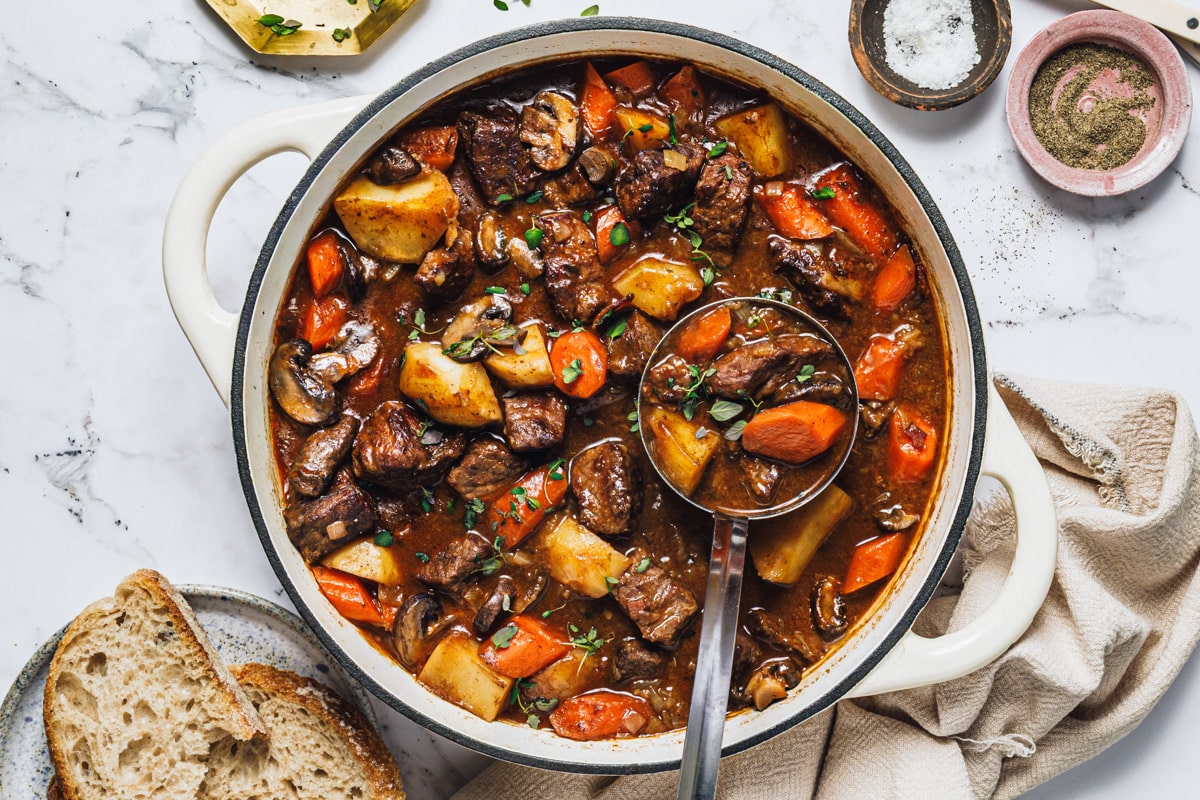
Perfectly Tender Dutch Oven Beef Stew: Your Easy Recipe Guide
Imagine a chilly evening, the comforting aroma of a simmering pot filling your kitchen, and the promise of a hearty meal that warms you from the inside out. This is the magic of a perfectly tender dutch oven beef stew. Far from a complicated culinary feat, mastering this classic comfort food is surprisingly straightforward, especially when you harness the power of your trusty Dutch oven. With its deep, rich flavors, buttery-soft meat, and vibrant vegetables, a well-made beef stew isn't just a meal; it's a hug in a bowl, a cherished family tradition, and an easy path to melt-in-your-mouth deliciousness.Why the Dutch Oven is Your Secret Weapon for Tender Beef Stew
The Dutch oven isn't just a pretty pot; it's an indispensable tool for achieving that coveted, fall-apart tender beef in your stew. Its heavy, cast-iron construction, often enameled, offers several key advantages that make it perfect for slow-cooked dishes:- Superior Heat Distribution: Unlike thinner pots, a Dutch oven heats very evenly, preventing hot spots that can scorch food. This consistent, gentle heat is crucial for slowly breaking down tough cuts of meat without drying them out.
- Excellent Heat Retention: Once heated, a Dutch oven holds its temperature remarkably well. This means fewer fluctuations, allowing the stew to maintain a steady simmer whether on the stovetop or in the oven, leading to a more uniform and tender result.
- Moisture Lock-In: The heavy, tight-fitting lid of a Dutch oven creates a self-basting environment. As steam rises, it condenses on the lid and drips back into the pot, ensuring the stew remains moist and flavorful throughout the long cooking process. This is vital for transforming tough beef cubes into melt-in-your-mouth perfection.
- Versatility: A Dutch oven seamlessly transitions from stovetop searing and sautéing to slow oven braising. This one-pot convenience means fewer dishes and the ability to build layers of flavor efficiently before transferring to the oven for that hands-off, gentle cooking.
This long, gentle cooking method is the secret behind the unparalleled tenderness of a dutch oven beef stew. It allows the collagen in the beef to slowly break down into gelatin, creating that rich, succulent texture we all crave. It's the same principle that makes Dutch oven pot roasts so incredibly tender and delicious!
Crafting Your Perfect Dutch Oven Beef Stew: Essential Ingredients & Smart Swaps
The beauty of Dutch oven beef stew lies in its humble yet powerful ingredients, which, when combined and cooked low and slow, create a symphony of flavors. Here's a breakdown of the key players and how to get the most out of them:- The Star: Beef Cubes
For truly melt-in-your-mouth beef, opt for a cut like beef chuck roast. Its generous marbling (streaks of fat) renders down beautifully during slow cooking, infusing the stew with flavor and keeping the meat incredibly moist. Cut it into 1 to 1 ½ inch chunks for ideal searing and even cooking. While stewing beef packages are convenient, cutting your own chuck roast ensures better quality control and consistent sizing. Avoid leaner cuts like sirloin, which can become dry and tough with prolonged cooking. - The Aromatic Foundation: Onion, Carrots, and Garlic
These three form the classic "mirepoix" base, adding fundamental sweetness, pungency, and depth. Use regular peeled and chopped carrots, or save time with baby carrots. Fresh garlic, minced, offers the best flavor. - The Flavor Boosters: Red Wine & Beef Stock
A dry red wine like Cabernet Sauvignon, Pinot Noir, or Merlot is a game-changer. It adds a crucial layer of acidity and robust depth, deglazing the pan beautifully and extracting all those savory browned bits (fond). Follow with a good quality beef stock or broth for the primary liquid base. For a non-alcoholic version, simply replace the red wine with additional beef broth, unsweetened grape juice, or even a splash of balsamic vinegar for a tangy kick. - The Hearty Fillers: Potatoes & Other Root Vegetables
Yukon Gold potatoes are often preferred as they hold their shape well and offer a creamy texture. Russet potatoes will break down more, contributing to a slightly thicker, more rustic stew. You can also use halved small red potatoes and leave them unpeeled for extra texture. Cut potatoes into roughly ½-inch cubes for even cooking. For added complexity and nutrition, consider swapping some potatoes for sweet potatoes, or incorporating parsnips, turnips, or celery. Mushrooms are another excellent addition for an earthy umami boost. - The Fragrant Elements: Fresh Herbs
Fresh herbs like thyme and parsley are indispensable for brightness and aroma. Tie a few sprigs of thyme together with kitchen twine for easy removal, or chop them finely. Parsley is best stirred in at the end for a burst of freshness. Dried herbs can be used, but remember they are more potent, so use about one-third the amount of fresh. Rosemary or bay leaves are also fantastic additions, lending a deeper, more savory note. - The Velvety Finish: Butter, Flour, & Frozen Peas
A simple roux (butter and flour cooked together) is the classic way to thicken the stew, giving it that luscious, velvety mouthfeel. For a gluten-free option, use a gluten-free flour blend or a cornstarch slurry (cornstarch dissolved in a little cold water) added at the end. Frozen peas, added during the last few minutes, provide a pop of color and sweetness without becoming mushy. Green beans can be used as an alternative, or simply omit them if you prefer.
Your Step-by-Step Guide to Irresistible Dutch Oven Beef Stew
Creating a truly memorable dutch oven beef stew is a process of building layers of flavor. Follow these easy steps for a comforting meal that will become a family favorite:1. Prep and Brown the Beef for Maximum Flavor
Start by patting your beef cubes completely dry with paper towels. This is a crucial step! Moisture prevents proper browning. Heat a generous glug of olive oil in your Dutch oven over medium-high heat until shimmering. Brown the beef in small batches, ensuring not to overcrowd the pot. Crowding lowers the pan's temperature, steaming the meat instead of searing it, and you'll miss out on those delicious browned bits (the Maillard reaction) that are key to the stew's deep flavor. Cook until well-golden on all sides, then remove the beef and set it aside.
2. Sauté the Aromatics and Deglaze the Pot
Into the same pot (don't clean it – those browned bits are flavor!), add a little more olive oil if needed. Sauté the chopped onion and carrots for 5-7 minutes until they begin to soften. Stir in the minced garlic and cook for another minute until fragrant. Now, it’s time to deglaze: pour in the red wine (or substitute), scraping up all the delicious browned bits from the bottom of the pot with a wooden spoon. This "fond" is pure flavor and will dissolve into your stew, enriching every spoonful. Let the wine simmer for a couple of minutes to reduce slightly.
3. Combine, Simmer, and Begin the Slow Cook
Pour in the beef stock or broth, bringing the liquid to a gentle simmer. Return the browned beef to the pot, along with your fresh or dried herbs (thyme, bay leaves if using). Add the chopped potatoes and any other root vegetables like parsnips or celery you're using. Give everything a good stir, ensuring the beef is mostly submerged in the liquid. Bring it back to a gentle simmer on the stovetop.
4. The Long, Gentle Oven Braise
Cover your Dutch oven tightly with its lid and transfer it to a preheated oven (typically 300-325°F or 150-160°C). This is where the magic happens! The low and slow oven braise ensures incredibly even heat and gentle cooking, transforming the beef into fall-apart tenderness. Cook for approximately 2 to 3 hours, or until the beef is fork-tender. Check periodically to ensure there's enough liquid, adding a splash more broth or water if it seems too dry.
5. Finishing Touches and Thickening
Once the beef is tender, remove the Dutch oven from the oven. Stir in the frozen peas (no need to thaw) and cook for another 5 minutes on the stovetop or until heated through. If you desire a thicker stew, prepare a quick roux: in a small saucepan, melt 2 tablespoons of butter, then whisk in 2 tablespoons of flour and cook for 1-2 minutes. Gradually whisk this roux into your simmering stew until it reaches your desired consistency. Alternatively, for a gluten-free option, mix 1-2 tablespoons of cornstarch with an equal amount of cold water to form a slurry, then gradually whisk into the hot stew and simmer until thickened. Taste and adjust seasoning with salt and freshly ground black pepper as needed.
Expert Tips for Dutch Oven Beef Stew Perfection
- Don't Rush the Sear: Patience while browning the beef pays off immensely in flavor. Resist the urge to crowd the pot.
- Quality Ingredients Matter: Since there are relatively few components, the quality of each ingredient shines through. Opt for good quality beef, fresh herbs, and a reputable beef stock.
- Seasoning is Key: Taste your stew at various stages, especially after deglazing and before serving. Adjust salt and pepper as needed. A pinch of sugar can also balance acidity if you used wine.
- Rest Before Serving: Like a good roast, letting the stew rest for 10-15 minutes after cooking allows the flavors to meld and the liquids to redistribute, making it even more delicious.
- Leftovers are a Gift: Dutch oven beef stew often tastes even better the next day! It's fantastic on its own, over mashed potatoes, or transformed into a comforting beef pot pie.
